 简体中文
简体中文Guangde JiuMa Machinery Co., Ltd., etablert tidlig i 2012, er en profesjonell produsent av produksjonslinjer som brukes til å produsere dekorative byggematerialer. Med mer enn 12 års erfaring i bransjen, har vi et team av teknisk personell som spesialiserer seg på forskning og utvikling, design, oppgradering og produksjon av ulike modeller av produksjonslinjer for å møte etterspørselen fra ulike aktører i bransjen. Hovedproduktene til selskapet vårt er produksjonslinjer for avanserte PE-aluminium-plastkomposittplater, produksjonslinjer for brannsikre komposittplater av klasse A, multifunksjonsproduksjonslinjer (PE+B1+A2) og produksjonslinjer for fargebelegg av metallaluminium. Vi spesialiserer oss også på å produsere ulike typer speilvalser, gummivalser, elektromagnetiske varmevalser, pregevalser, overgangsvalser, føringsvalser i aluminium, PTFE-valser og andre valser for metallplateindustrien.
Vårt firma er strategisk plassert i et av landets viktigste utviklingsområder - Anhui. De siste 12 årene har vi fått kvalitetsanerkjennelse fra både innenlandske og utenlandske kunder. Vi tror alltid god kvalitetskontroll under produksjonsprosessene i stand til å produsere maskiner av god kvalitet!

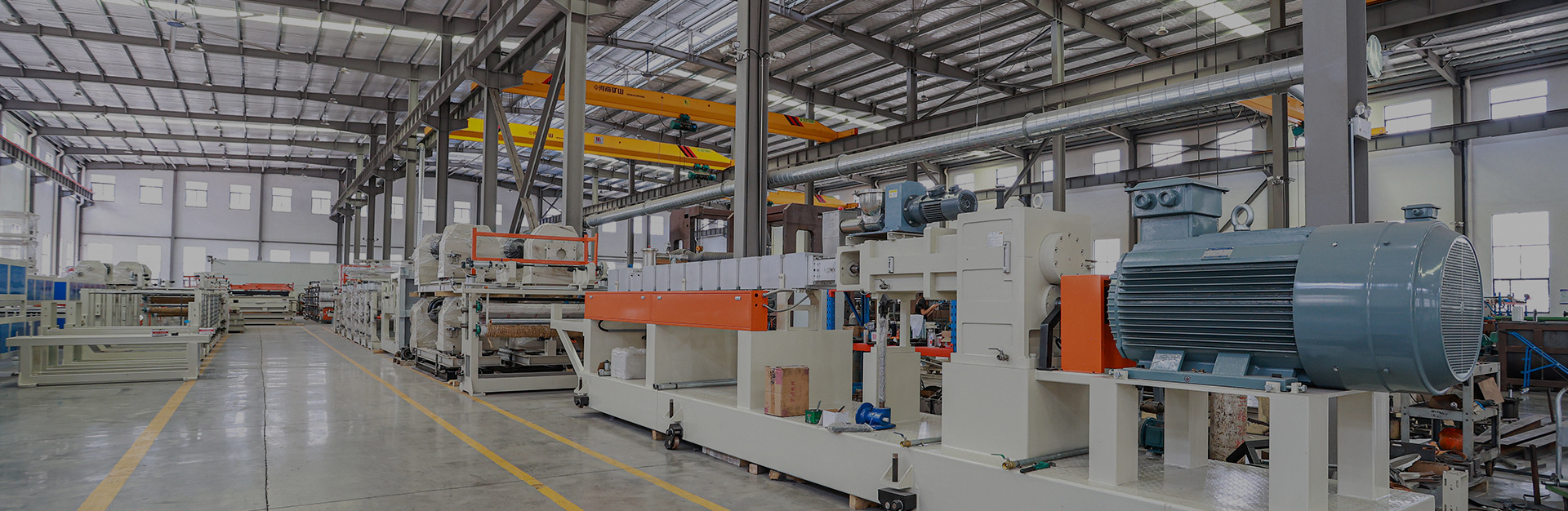
PE ACP produksjonslinje Produsenter
-
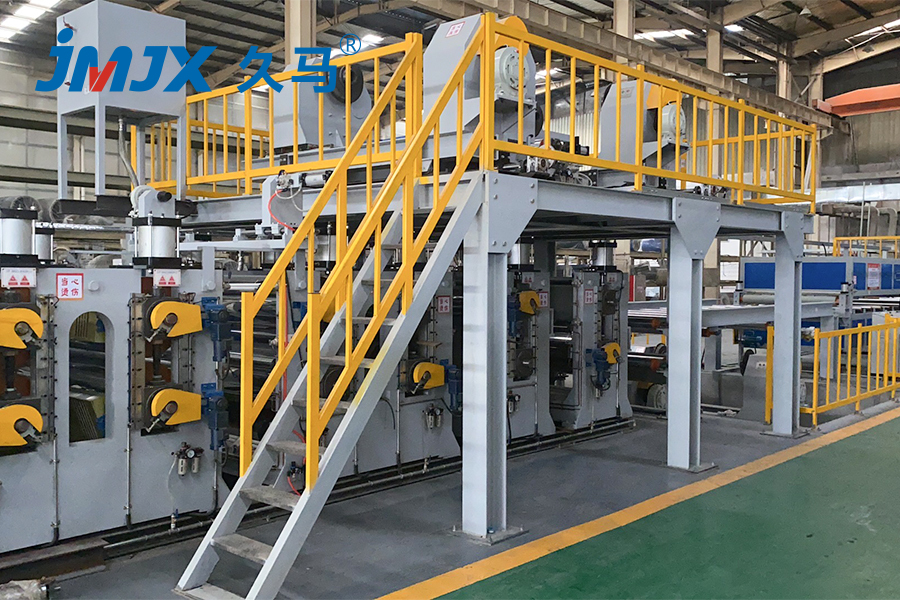
PE 5-rull høytemperatur ACP produksjonslinje
PE 5-rull høytemperatur ACP produksjonslinje, produsert av vårt firma, har et avansert ekstrude
Mer informasjon
-
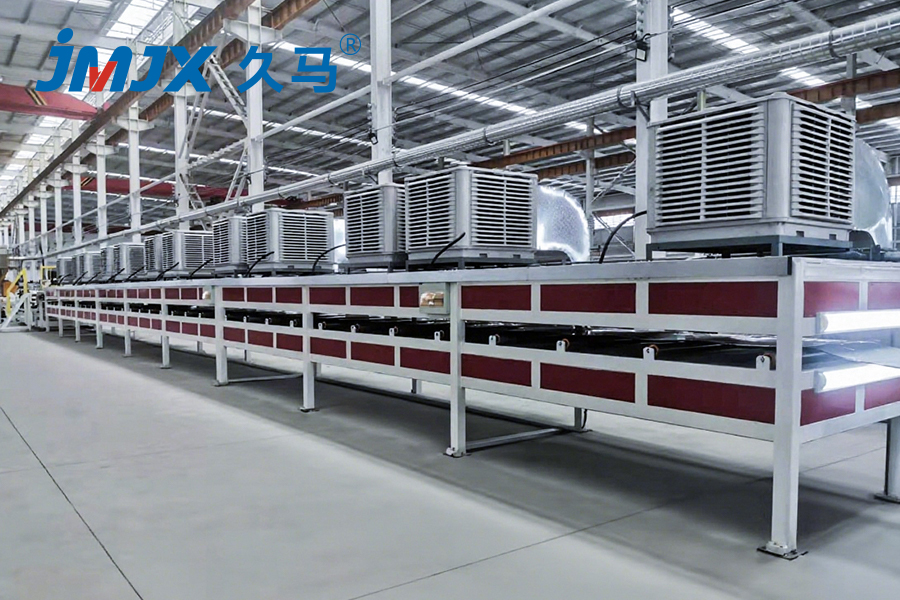
PE 2-rull lavtemperatur ACP produksjonslinje
PE 2-rull lavtemperatur ACP produksjonslinje produsert av selskapet vårt er spesielt designet fo
Mer informasjon
-
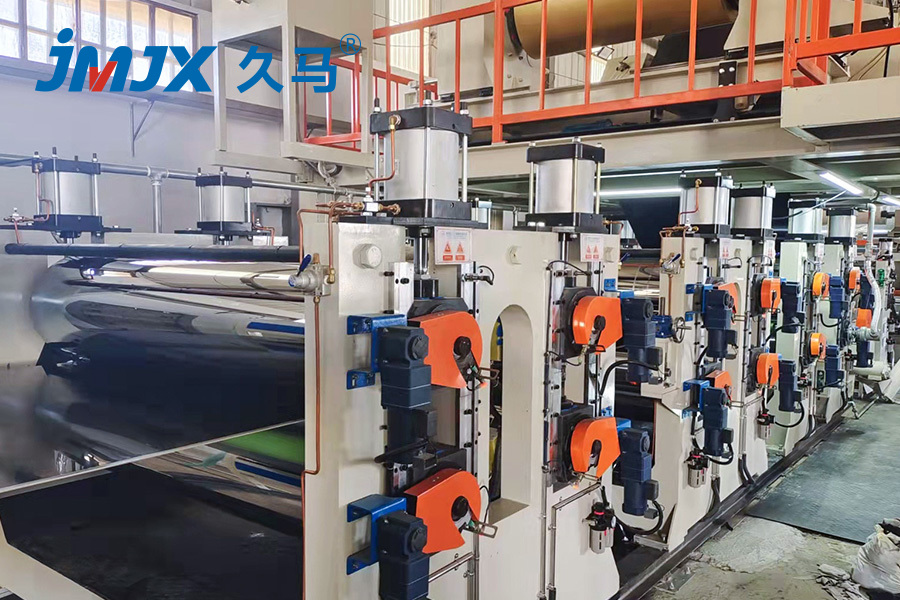
PE 3-rull lav temperatur ACP produksjonslinje
PE 3-vals lavtemperatur ACP-produksjonslinjen produsert av vårt selskap ekstruderer kontinuerlig
Mer informasjon
Produksjonslinjen for PE-aluminiumkomposittpaneler utviklet av selskapet vårt er et profesjonelt utstyr som bruker PE som kjernemateriale, polymerlimmaterialer og metallkomposittteknologi. Den brukes til å produsere komposittpaneler med polyetylen (PE) som kjernemateriale og aluminiumsfolie som panel. De viktigste bruksområdene inkluderer utvendig veggdekorasjon, interiørdekorasjon, reklametavler, møbelpaneler og dekorasjon av kjøretøy og skip. Ytelsesegenskapene er: PE-laget gir værbestandighet, slagfasthet og fleksibilitet, aluminiumslaget gir høy styrke, korrosjonsbestandighet og estetikk, den totale værbestandigheten til panelet kan nå 10-15 år, og vindtrykkmotstanden er god. Produksjonslinjen har evnen til automatisk kontinuerlig produksjon, fleksible og justerbare spesifikasjoner (tykkelse, bredde), overflaten kan sprayes, belegges og andre behandlinger, råvarekostnaden er lav, produksjonskapasiteten er stabil, den kan møte diversifiserte batchordrer, vedlikehold er praktisk og investering er svært økonomisk.
-
Optimalisering av a laminering produksjonslinje krever balansering av limkjemi, termisk dynamikk og mekanisk spenningskontroll. En godt konfigurert li...
LES MER -
Velge riktig lamineringsteknologi for dine behov Investering i en laminering produksjonslinje er en betydelig kapitalbeslutning som dikterer produktkapasitet...
LES MER -
Maksimerer effektiviteten i laminering av produksjonslinjer En høy ytelse laminering produksjonslinje er ryggraden i moderne emballasje, trykking og produksj...
LES MER -
En høyeffektivitet laminering produksjonslinje er ryggraden i moderne emballasje, trykking og produksjon av komposittmaterialer. Den forvandler separate underlag t...
LES MER
PE Aluminum Composite Panel Production Line: Key Features and Benefits
In the ever-evolving construction and architectural industries, the demand for versatile, durable, and aesthetically pleasing materials has skyrocketed. PE Aluminum Composite Panels (PE ACP) have become one of the most sought-after building materials due to their superior combination of strength, lightness, and aesthetic appeal. The process of manufacturing these panels relies heavily on advanced production lines that ensure both efficiency and quality. The PE ACP production line is designed to meet these high standards, and understanding its key features and benefits is crucial for businesses aiming to stay competitive in this booming market.
What is PE Aluminum Composite Panel?
Before diving into the specifics of the production line, it’s important to understand what PE ACP is. A PE Aluminum Composite Panel consists of two thin layers of aluminum surrounding a non-aluminum core, typically made of polyethylene (PE). The result is a panel that is lightweight, durable, and highly resistant to environmental factors such as UV rays, extreme temperatures, and weathering.
PE ACPs are used widely in both exterior and interior applications such as building facades, signage, cladding, and partitions, offering both functional and aesthetic benefits.
Key Features of the PE ACP Production Line
The PE Aluminum Composite Panel Production Line is a complex system designed to fabricate these panels efficiently while maintaining the highest quality standards. Here are the key features that make up this production line:
1. Advanced Coating and Laminating Technology
The core technology of any PE ACP production line revolves around its coating and laminating systems. The aluminum sheets are coated with a layer of primer or paint, followed by a polyethylene core being inserted between the aluminum sheets. This process is carried out with precision to ensure perfect bonding, preventing delamination. Some advanced production lines even feature coil coating systems that allow for continuous application of protective coatings.
2. High-Speed Roll Forming and Cutting Systems
A significant feature of a PE ACP production line is the inclusion of high-speed roll forming and cutting technology. The line must be able to cut the aluminum composite panels to specific lengths while maintaining accuracy and consistency. Advanced cutting systems that utilize rotary cutters or laser cutting technology help achieve precision, reducing material wastage and optimizing production efficiency.
3. Heat Bonding and Pressing Units
PE ACPs undergo a critical heat bonding process, which uses heat and pressure to fuse the aluminum sheets and polyethylene core into a single, solid unit. The heat bonding units in a PE ACP production line ensure uniform temperature distribution, preventing deformities or weak spots in the final product. The pressing units provide additional pressure to guarantee the strength and durability of the composite bond.
4. Automatic Thickness Control and Calibration
Maintaining consistency in thickness is one of the most important factors for producing high-quality PE ACPs. Modern production lines incorporate automatic thickness control systems that use sensors to constantly monitor the thickness of the panels as they pass through various stages of production. This system ensures that each panel adheres to precise standards, allowing for consistent quality and performance.
5. Automated Packaging and Stacking Systems
Once the panels are formed and cut, automated packaging and stacking systems come into play. These systems arrange the panels in neat stacks and prepare them for shipment. Efficient packaging reduces labor costs, minimizes handling damage, and speeds up delivery. Some systems even include robotic arms to pick up and stack the panels, ensuring higher throughput.
Benefits of the PE ACP Production Line
The implementation of a high-quality PE ACP production line comes with several key benefits for manufacturers, which directly translate into advantages for end-users.
1. Consistency and High Quality
The most significant benefit of using an advanced PE ACP production line is the consistency it provides in the final product. PE ACPs are manufactured with exacting standards, ensuring that each panel has the same thickness, appearance, and structural integrity. This consistency is critical for industries where uniformity is paramount, such as architectural design and construction.
2. Increased Efficiency and Reduced Lead Times
Modern PE ACP production lines are designed for speed and efficiency. Automated systems reduce the need for manual labor, enabling faster production cycles and minimizing human error. This leads to shorter lead times, allowing manufacturers to meet tighter deadlines and cater to larger orders.
3. Enhanced Durability and Performance
The advanced features of a PE ACP production line ensure that the final product exhibits superior durability. The bonding process ensures the strength and longevity of the panels, making them resistant to UV degradation, extreme weather conditions, and physical damage. This durability is crucial for applications in harsh environments, such as exterior cladding for buildings or signage exposed to the elements.
4. Cost-Effectiveness
Although setting up a PE ACP production line can be an investment, the efficiency gains it offers can lead to significant cost savings in the long run. Automated processes reduce the labor requirements, and precise cutting and forming technologies reduce material waste. Additionally, higher-quality products reduce the likelihood of returns or complaints, further contributing to cost savings.
5. Flexibility and Customization
With the right PE ACP production line, manufacturers can cater to a wide range of design and customization needs. Whether it's producing panels in different sizes, thicknesses, or surface finishes, the production line can be adjusted to meet specific requirements. This versatility allows manufacturers to serve various industries, from construction and architecture to advertising and interior design.
 Phone: +86-180 1500 4677
 Tel: +86-519 8899 7278
 Email:
Factory Address 1: nr. 19, Guangyi Road, East Development Zone, Guangde City, Anhui-provinsen, Kina
Factory Address 2: Nr. 205, Changwu South Road, Wujin-distriktet, Changzhou City, Jiangsu-provinsen, Kina
Opphavsrett © Guangde JiuMa Machinery Co., Ltd.
